Fall and winter are some of the most important months for baseball players when it comes to development. Depending on your high school or travel program, you might not be seeing your coaches nearly as often as you were during the spring and summer. Practices slow down, games become less frequent, and suddenly a lot more of your development is in your own hands.
When I was playing, I looked at the offseason as an opportunity to work on things I didn't necessarily have the time to focus on during the season. I could spend more time in the weight room, make adjustments to my mechanics, work on my mobility, and focus on becoming a better athlete overall. A lot of that work happened on my own, and I think that's something high school players need to understand. You don't always need somebody standing next to you telling you what to do in order to get better.
Between YouTube, the internet, former coaches, trainers, and all the information available today, there are plenty of ways to continue learning and improving even when you aren't at practice. The important part is knowing how to use those resources and making sure the work you're doing is actually helping you become a better baseball player.
Take Ownership of Your Development
One thing I learned throughout my playing career is that your coaches aren't always going to be there to tell you what to work on. During the season, you have practices, games, lessons, and a pretty structured schedule. But once fall and winter come around, that structure can change quite a bit.
That doesn't mean your development should stop.
I would encourage every high school athlete to take some time and think about what they need to improve before next season. Maybe you need to get stronger, improve your throwing velocity, become more explosive, clean up your swing, or move better defensively. Whatever it is, you should have some idea of what you're trying to accomplish instead of just going into the facility and getting reps because you feel like you should.
Don't be afraid to reach out to your coaches for help putting that plan together either. I used to talk with former coaches about workouts I could do, things I should focus on, and different ways to approach my training. Just because you aren't seeing your coach every week doesn't mean you can't ask questions or get some direction. Sometimes a quick conversation with somebody who knows you as a player can help you figure out what you should be spending the next few months working on.
Use YouTube and the Internet as a Resource
This is something I personally did quite a bit when I was playing, and I think athletes should take advantage of it.
I used YouTube for yoga routines, arm care exercises, mobility work, and different training ideas that I could incorporate into what I was already doing. There were times when I didn't have access to a coach or trainer, but I still wanted to get something productive done that day. Being able to find a routine, learn something new, and apply it to my training was valuable.
And there is even more information available today. You can find videos from college coaches, strength coaches, physical therapists, professional players, and other people who work with baseball athletes every day. Whether you're trying to understand a certain movement, find a mobility routine, or learn more about how to train for your position, there is a lot you can learn just by being willing to look for it.
But I would also be careful about trying everything you see. Just because somebody on YouTube throws 95 MPH or hits the ball 110 MPH doesn't mean doing their exact workout is going to produce the same result for you. Every athlete is different, and what works for one player might not be what another player needs.
Use the internet to learn, ask questions, and find ideas. Then talk with your coaches or a qualified trainer about what makes sense for your body and your development. You don't need to completely change your routine every time you see a new video. The goal is to become more knowledgeable about your own training, not to chase every new drill that shows up on your phone.
Get Stronger, But Don't Forget How to Move
I think this is one of the biggest things high school athletes need to understand about winter training.
Yes, you should be spending time in the weight room. Getting stronger can make a big difference in your ability to generate power, throw harder, run faster, and handle the physical demands of a baseball season. But getting stronger shouldn't come at the expense of your flexibility, mobility, or ability to move efficiently.
And I'm speaking from experience on this one.
When I was younger, I actually had coaches who put a lot more emphasis on flexibility and mobility than getting stronger in the weight room. At the time, I didn't necessarily understand how important it was to balance all of those things or how much they could impact my performance on the field. As I got older, gained more knowledge, and had better guidance around strength training, I started to understand how the two needed to work together.
I began putting more emphasis on building strength while continuing to incorporate the mobility and flexibility work I had been taught. I used resources like YouTube to find yoga routines, stretching exercises, and arm care work that I could do on my own. It wasn't about choosing between getting stronger or moving better. It was about understanding how to combine both so I could become a better overall athlete.
And I think that's something high school players need to understand early. You can spend all winter getting stronger, but if you're neglecting your mobility and losing the ability to move efficiently, that added strength might not translate the way you want it to on the baseball field. You want to be able to generate more power while still having the movement quality needed to throw, swing, run, and play your position effectively.
You don't need to spend an hour doing yoga every day. Even finding a consistent routine that addresses your individual needs can be beneficial. If you have limitations, discomfort, or recurring injuries, work with a qualified professional rather than trying to fix everything through an online video.
The goal isn't just to become a stronger athlete. It's to become a stronger baseball player who can still move efficiently and stay healthy.
This Is the Time to Make Adjustments
Another thing I really liked about fall and winter was having the opportunity to make changes without feeling like I had to perform in a game the next day.
During the season, it can be difficult to make a significant mechanical adjustment. Maybe you're trying to change something in your swing, adjust your throwing mechanics, or develop a new pitch. Those changes can take time, and sometimes things don't feel comfortable right away. When you're playing games every weekend, it's easy to go back to what feels familiar because you want to perform.
The offseason gives you a little more freedom to work through those adjustments.
I'm not saying you should completely rebuild your swing or throwing mechanics every winter. And I definitely wouldn't recommend making major changes without getting feedback from somebody who understands what you're trying to accomplish. But if there's something you've identified with your coach that needs to improve, fall and winter can be a great time to address it.
You have more opportunities to slow things down, work through movements, make mistakes, and give yourself time to become comfortable with something new. Even if you're playing fall baseball, the environment is often a little different than the middle of your high school season or a major summer tournament. For many athletes, those games can be an opportunity to apply adjustments and focus on development rather than worrying only about the result.
The same goes for strength training. The offseason may allow you to focus more on building strength and working through the normal fatigue that comes with a well planned training program because you aren't trying to be at your absolute best for a game every weekend. That doesn't mean ignoring pain, pushing through injuries, or throwing when your arm needs rest. There is a big difference between normal training fatigue and something your body is telling you isn't right.
Not every part of the year should look the same. There is a time to focus heavily on performance, and there is a time to put more emphasis on building the skills and physical abilities that will help you perform later. Fall and winter give you that opportunity.
Track Your Progress and Make It Count
Something else I would encourage athletes to do throughout the offseason is track their progress. If you're spending three or four months trying to become a better baseball player, you should have some way of knowing whether the work you're putting in is making a difference.
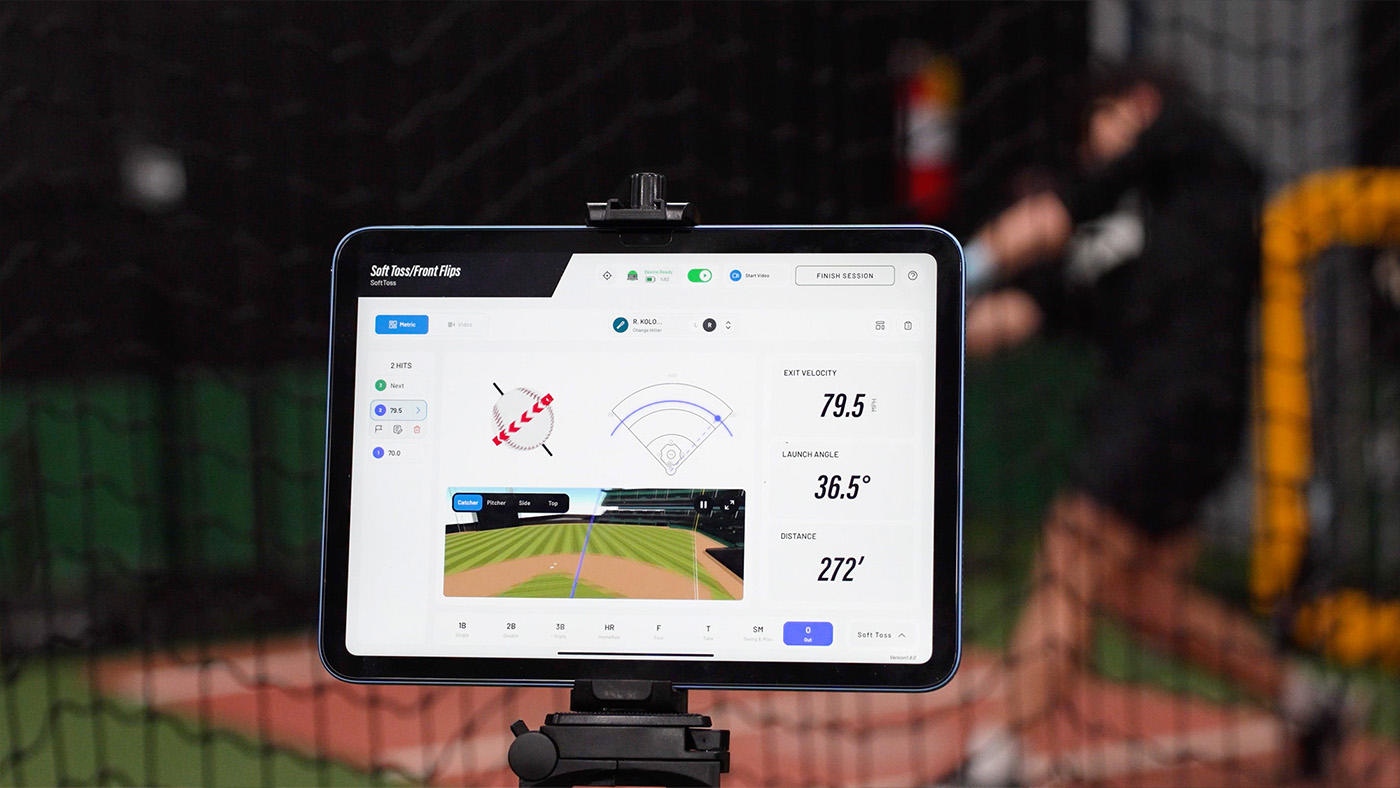
Maybe you establish your exit velocity, throwing velocity, 60 time, or other position specific metrics at the beginning of the winter. Maybe you're tracking strength improvements, movement quality, or the consistency of a particular skill. Whatever you're working toward, have a starting point and check back on it throughout the offseason.
You don't need to test every week, and you definitely don't need to turn every training session into a competition to set a new personal record. Sometimes development takes time, and some improvements won't immediately show up in one number. But having measurable goals makes the process more meaningful.
If you start the winter throwing 82 MPH and finish throwing 86, that's something you can look back on. If your exit velocity improves, your movement gets better, or you're performing a skill more consistently, you can start to see how the work is paying off.
QuestFit gives athletes a place to track that development and turn it into recruiting progress. If you're training with technology like Rapsodo or Full Swing, QuestFit's integrations allow supported training data to sync directly to your athlete profile. Instead of your numbers sitting in different apps or getting lost in a spreadsheet, you have a place to keep your verified metrics and video organized and see how your performance changes over time.
Even if you're working independently, take ownership of keeping your recruiting profile updated as you improve. When you get new verified numbers or video, make sure they're reflected in your profile so you're not still showing coaches the same information you had six months ago.
The work you're doing during the winter should eventually become something you can show when recruiting picks back up.
Make This Winter Count
If I could go back and give myself advice as a high school player, I would tell myself to spend just as much time learning how to take care of my body and move efficiently as I did trying to get bigger and stronger. I would still be in the weight room, still be working on my swing, and still be trying to improve every part of my game. But I would have a better understanding of how all of those things need to work together.
And I would continue using every resource available to me.
Talk to your coaches. Ask questions. Watch videos. Learn about training. Find routines that work for you. Be willing to make adjustments, and don't be afraid to spend time working on something you're not very good at yet. You don't need to train seven days a week or spend every free hour doing something baseball related either. Rest and recovery are part of getting better too.
Use the fall and winter to assess where you are, develop the areas that need improvement, and build something you can carry into the spring. When that development leads to meaningful improvements, make sure you're tracking them and updating your verified information on QuestFit so that progress can help you during recruiting too.
You have several months before the next high school season. Think about the player you are right now and the player you want to be when you step back onto the field.
Then start putting the work in to close that gap.