One of the biggest mistakes athletes make is waiting for college coaches to find them. The reality is, unless you're one of the top players in the country, recruiting doesn't usually work that way.
If you want to play college baseball, you have to be willing to put yourself out there and take ownership of your recruiting process.
Reaching out to coaches shows that you're serious about your recruiting process. It tells them you're mature, you're proactive, and you're willing to take ownership of your future. The best part is that it's something every athlete can control.
For your first point of contact, email is almost always the best option. Coaches are constantly on the road recruiting, coaching games, running practices, and handling countless other responsibilities. A phone call at the wrong time usually won't accomplish much, but an email lets them review your information when they have the time to actually evaluate you.
If a coach later starts texting or calling you, keep the conversation going however they've reached out. But for that first introduction, start with an email.
Step 1: Start with a Professional Email Address
Before a coach ever reads your email, they're going to see who it's from. It may seem like a small detail, but first impressions matter. If you're sending emails from an address that's inappropriate or unprofessional, you're already creating the wrong first impression before they've even opened your message.
Keep it simple. Your name is always your best option, and using a professional email address immediately shows coaches that you're taking your recruiting process seriously.
Step 2: Introduce Yourself
The first paragraph of your email should answer one simple question: Who are you? Don't make the coach search through your email trying to figure that out. Introduce yourself right away and give them the basic information they need to understand where you fit as a recruit.
Include:
Full name
Graduation year
Primary position
Secondary position (if applicable)
Height and weight
High school
Travel organization
This doesn't mean you're locked into only playing those positions. Coaches simply need to know where they should evaluate you. Every program has different roster needs and recruiting priorities, so giving them this information up front makes it easier for them to quickly understand who they're looking at.
Step 3: Tell Them Why You're Interested
This is where you can separate yourself from a lot of other athletes. Coaches can tell almost immediately when they're reading a generic email that's been copied and pasted to every school on someone's list. Taking just a few minutes to personalize your message can make a big difference.
Mention something specific that caught your attention about the program. Maybe it's the coaching staff, an academic program you're interested in, the culture they've built, or something you noticed while researching the school. You don't need to write a paragraph about it, but two or three genuine sentences show that you're interested in their program, not just hoping someone responds.
Step 4: Let Your Game Speak for Itself
Now it's time to show the coach why they should keep reading. This is where your stats, metrics, and video all work together to tell your story and help coaches evaluate you as a player.
Include:
Your best statistics
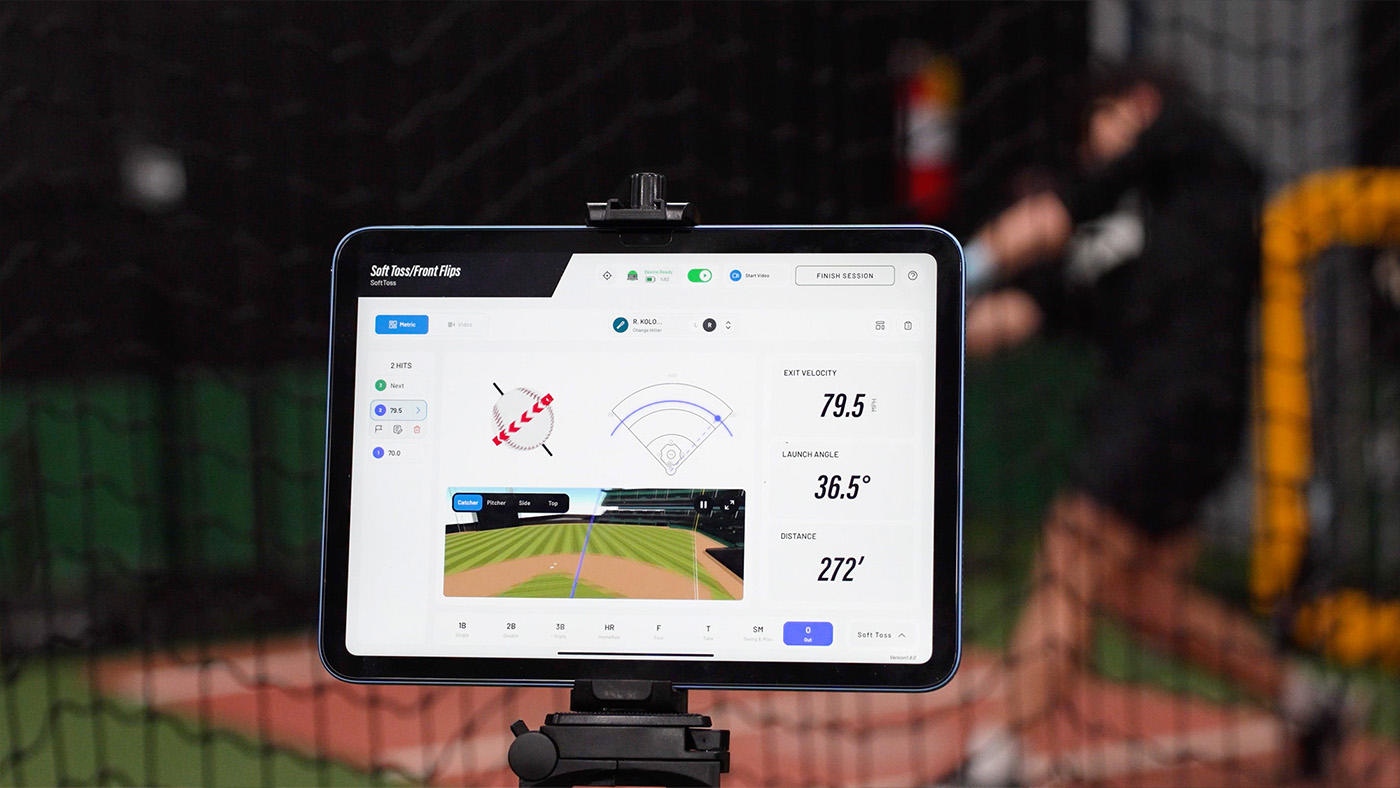
Verified metrics and measurables
Video
Each piece serves a different purpose. Your metrics show your physical tools, your stats show how you've performed on the field, and your video gives coaches the opportunity to evaluate you with their own eyes. When all three work together, coaches get a much clearer picture of who you are as a player.
Whenever possible, include verified metrics instead of self-reported numbers. Coaches want information they can trust, and verified data removes the guesswork from the evaluation process.
Step 5: Make It Easy to Learn More
Once you've given the coach a snapshot of who you are, make it easy for them to learn more. Don't make them search through multiple emails or websites trying to piece everything together.
Include a link to your recruiting profile where they can quickly access your metrics, videos, schedule, academic information, and anything else they may want to see. You should also include the contact information for both your high school and travel coaches. College coaches regularly reach out to them to learn more about a player's work ethic, coachability, and character before moving forward in the recruiting process.
Step 6: Tell Them Where They Can Watch You Play
If you're going to be playing near campus or at an event where the coaching staff might be recruiting, let them know. Include upcoming tournaments, showcases, camps, or games where they'll have an opportunity to watch you compete in person.
Even with all the technology available today, coaches still want to see athletes play live whenever they can. If they've already liked what they've seen in your email, giving them an opportunity to evaluate you in person is the natural next step.
Step 7: Follow Up
This is where most athletes stop. They send one email, don't hear anything back, and assume the coach isn't interested. Don't make that mistake.
College coaches receive hundreds of recruiting emails every week, and sometimes they simply don't have time to respond right away. If you haven't heard back after about a week, send a short follow-up email. Be polite, remind them who you are, provide any updates, and let them know you're still interested in their program.
Following up shows the coach you're genuinely interested, and sometimes that second email is the one that finally gets noticed.
One last piece of advice: don't overthink your first email. Coaches aren't looking for the best-written email they've ever received. They're looking for athletes who fit their program. Keep it professional, make it personal, and make it easy for them to evaluate you. If you do that, you've accomplished exactly what your first email is supposed to do.